Discover Ajwa: The Most Celebrated Date on Earth
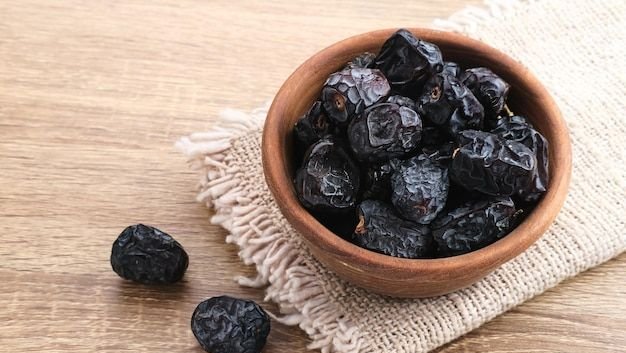
🌴 The History of Ajwa Dates: A Journey That Began in Madinah Over 1,400 Years Ago The story of Ajwa dates begins in the heart of Madinah, a city known for its spiritual significance, fertile volcanic soil, and ancient oasis culture. Long before Ajwa became a global superfood, it was a treasured fruit of the Arabian Peninsula — grown, harvested, and celebrated by the people who lived among the palm‑lined valleys of Hijaz.
🌋 Born From Blessed Soil Madinah’s unique volcanic terrain, known as Harrat, created the perfect environment for Ajwa palms. The mineral‑rich black soil, combined with the region’s dry climate, produced a date unlike any other — soft, dark, and naturally sweet with a caramel‑like depth.
This rare combination of climate and soil is why authentic Ajwa can only grow in Madinah. Anywhere else, the fruit simply loses its signature texture and flavor.
🕌 A Fruit Rooted in Islamic Tradition Ajwa dates hold a special place in Islamic history. They were cultivated, consumed, and valued during the earliest days of Islam. Their presence in narrations and historical accounts elevated them from a simple fruit to a symbol of blessing, nourishment, and protection.
For centuries, families in Madinah passed down Ajwa palms through generations, treating them as living heritage. The fruit became a part of daily life — eaten at dawn, shared with guests, and gifted during special occasions.
🏺 A Treasure of Ancient Arabian Trade Long before modern shipping existed, Ajwa dates travelled across deserts on camel caravans. Traders carried them from Madinah to:
- Egypt
- Yemen
- Persia
- The Levant
- East Africa
Because of their softness and rich taste, Ajwa dates were considered a luxury item in ancient markets. Only the wealthy or noble families could afford them regularly.
🤝 A Symbol of Hospitality and Honor In old Arabian culture, offering Ajwa dates to a guest was a sign of respect. They were served during:
- Weddings
- Celebrations
- Tribal gatherings
- Religious events
Even today, many families in Madinah keep Ajwa dates specifically for guests — a tradition that has survived more than a millennium.
📜 Preserved Through Generations Despite wars, migrations, and changing empires, Ajwa palms remained protected in Madinah. Farmers treated them like sacred assets, ensuring their survival through:
- Careful irrigation
- Selective cultivation
- Traditional harvesting methods
This is why Ajwa dates today still carry the same characteristics they did centuries ago — a living link between past and present.
🌍 From Madinah to the World In the last few decades, Ajwa dates have become a global phenomenon. With rising interest in natural foods, superfoods, and prophetic traditions, Ajwa has gained recognition far beyond the Middle East.
Today, they are exported worldwide and praised for:
- Their unique flavor
- Their cultural and spiritual significance
- Their scientifically proven health benefits
Yet despite their global fame, the true Ajwa remains exclusive to Madinah, making it one of the most protected and celebrated fruits on Earth